
The Role of Luck in Gambling
Luck is often heralded as one of the most significant elements in the world of gambling. Whether one is spinning the wheels of a slot machine or placing bets on a poker game, luck plays an undeniable role in determining the outcome. Unlike skill-based games where strategies can be formulated, many gambling scenarios hinge on chance. This element of unpredictability adds excitement and draws players in, including those exploring new betting sites that offer unique experiences, making the experience thrilling and engaging. For many, the anticipation of a lucky break is what keeps them coming back for more.
For instance, consider a game of roulette. The player places a bet on a number or color, but ultimately, where the ball lands is entirely up to chance. This randomness is what keeps the game fresh and unpredictable, allowing for both astonishing wins and devastating losses. Many gamblers relish the thrill of not knowing the outcome, and it is this uncertainty that drives their passion for the game. The emotional rollercoaster of winning and losing is a core part of the gambling experience that keeps players engaged.
Moreover, the concept of luck is deeply ingrained in gambling culture. Players often adopt superstitious rituals or habits, believing they can influence their luck. From wearing lucky clothing to following specific routines, the psychological aspect of luck plays a pivotal role in a gambler’s mindset. Many players feel that their lucky charms or routines can sway the odds in their favor, which adds a layer of personal connection to the activity. The belief in luck often acts as a motivator, pushing individuals to continue playing even when the odds may not be in their favor.
Luck Versus Skill: The Balancing Act
While luck is a crucial factor, the importance of skill cannot be understated in certain games of gambling. In poker, for example, skill plays a vital role in decision-making, reading opponents, and managing one’s bankroll. However, even the most skilled player may find themselves at the mercy of luck when the cards are dealt. This interplay between luck and skill creates a complex dynamic that is both challenging and captivating for players, as they must constantly adapt to changing circumstances.
Many gamblers find themselves navigating this intricate balance. In games that require more skill, players often feel more in control of their fate. This feeling of control can be empowering and leads to a more engaged gaming experience. On the other hand, games that rely heavily on chance can evoke a sense of helplessness, yet they also offer the thrill of unpredictability. This interdependence between luck and skill keeps players engaged, emphasizing that while one may employ strategies, luck ultimately dictates the final outcome.
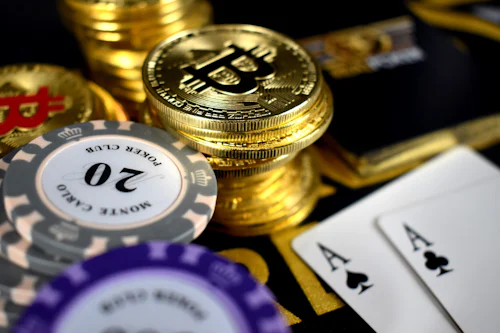
Casinos are aware of this delicate balance and design their games to appeal to a wide audience. Some games, like blackjack, allow players to use skill to improve their odds, while others, like slot machines, rely purely on luck. This diversity caters to different types of players, ensuring that each visitor to a casino can find a game that resonates with both their skills and their belief in luck. By providing a range of gaming options, casinos create an inclusive environment where everyone can enjoy the thrill of gambling, regardless of their skill level.
The Psychological Impact of Luck in Gambling
The belief in luck can profoundly impact a gambler’s behavior and decision-making. Many players hold firm beliefs about luck that influence when they play, how much they wager, and their emotional responses to wins and losses. This psychological dimension is crucial to understanding why people gamble; the hope of hitting a lucky streak can be incredibly enticing and motivates individuals to continue playing, even through losing streaks. The allure of luck is often what keeps players hopeful and engaged in the gaming experience.
Furthermore, the stories of big wins often perpetuate the illusion of luck in gambling. Tales of individuals who struck it rich overnight can fuel the dreams of others, leading them to believe that they too can achieve such fortunes. While these stories do highlight the potential for luck to change one’s life dramatically, they can also lead to unrealistic expectations and risky behavior when individuals chase their luck against all odds. This phenomenon can create a cycle of gambling that is difficult to break for many players.
Additionally, the emotional highs and lows experienced in gambling can be linked directly to the perceived presence of luck. Winning often produces feelings of euphoria and validation, while losing can lead to despair and frustration. Understanding these psychological effects is essential for both players and casinos, as they can influence gambling behaviors and overall experiences in the gaming environment. Awareness of these emotional responses can help players make more informed choices when gambling, promoting healthier gaming habits.
Luck in the Digital Era of Gambling
The rise of online gambling has transformed how players experience luck. Digital platforms have introduced new games and formats that emphasize chance in innovative ways. With random number generators driving the outcomes of online slots and other games, players often find themselves relying even more on luck than ever before. This transition to the digital realm has created unique challenges and opportunities for both players and operators, as they navigate the evolving landscape of gambling.
Online gambling platforms also leverage the idea of luck through promotions and bonuses that entice players to try their luck. For example, welcome bonuses often allow players to try various games, giving them ample opportunity to experience the thrill of luck without the immediate financial risk. These strategies not only enhance the gaming experience but also heighten the excitement around the potential for unexpected wins. The online environment fosters a sense of community and shared experience, even as players rely on luck to guide their gameplay.
However, the reliance on technology raises questions about the nature of luck in gambling. Players may wonder whether the algorithms behind these games truly level the playing field or if they create an illusion of luck. As technology continues to evolve, understanding the role of luck within these digital frameworks will be paramount for players looking to navigate the complex world of online gambling. With the increasing prevalence of online gaming, the relationship between luck and technology will likely continue to evolve, shaping the future of gambling experiences.
Conclusion: Embracing Luck in Gambling
In summary, luck remains a fundamental aspect of the gambling experience. It serves as the driving force behind many games and adds a layer of intrigue that attracts millions. While skill plays a critical role in specific games, the unpredictability of luck keeps players engaged and excited. Understanding this dynamic can help gamblers foster a healthier relationship with their gaming habits and expectations. By acknowledging the role of luck, players can approach gambling with a balanced mindset.
As players continue to embrace the thrill of chance, it is essential to approach gambling responsibly. Recognizing the role of luck in gambling can help individuals maintain a balanced perspective on wins and losses. Adopting a mindset that appreciates the unpredictability of luck while also respecting the potential for skill can lead to a more fulfilling gambling experience. This balanced approach can enhance enjoyment while minimizing the risks associated with gambling.
For those interested in exploring the world of gambling further, various platforms provide resources, advice, and games that cater to all preferences. Engaging with these resources can enhance understanding and offer pathways to enjoy the excitement of gambling while navigating the waters of luck effectively. Ultimately, embracing the complexities of luck in gambling can lead to richer experiences and a deeper appreciation for the games themselves.
